Colorectal cancer is no longer a disease of older demographics alone. Over the past two decades, cases among adults under 50 have surged—up 51% since 1994, according to the American Cancer Society. This alarming trend has scientists scrambling for answers. While genetics, diet, and lifestyle play roles, a growing body of evidence points to an unexpected suspect: the trillions of microbes living inside our intestines.
The human gut microbiome—once considered a passive digestive aid—is now recognized as a dynamic regulator of immunity, metabolism, and disease. Scientists are now zeroing in on how microbial imbalances may contribute to the sharp rise in colorectal cancers, especially in younger populations. The implications could reshape screening protocols, prevention strategies, and even treatment options.
The Microbiome’s Role in Colon Health
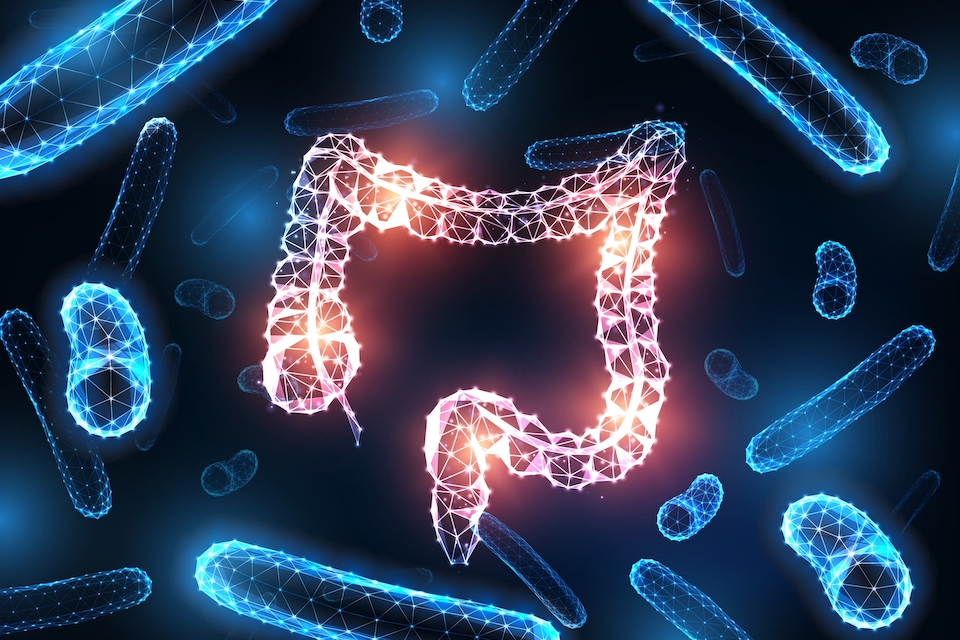
The gut microbiota consists of bacteria, viruses, fungi, and archaea that live symbiotically within the digestive tract. In a healthy colon, this ecosystem supports nutrient absorption, defends against pathogens, and modulates inflammatory responses. But when the balance tips—due to antibiotics, processed diets, or chronic stress—dysbiosis occurs, paving the way for disease.
Recent studies highlight specific bacterial strains linked to colorectal carcinogenesis. For example:
- Fusobacterium nucleatum, commonly found in oral plaque, has been detected in colorectal tumors at significantly higher levels than in healthy tissue. This bacterium promotes tumor growth by suppressing immune responses and activating pro-inflammatory pathways.
- Enterotoxigenic Bacteroides fragilis (ETBF) produces a toxin that damages colon cells and triggers chronic inflammation, a known precursor to cancer.
- Escherichia coli strains carrying the pks island gene produce colibactin, a compound that directly damages DNA in intestinal cells—potentially initiating malignant transformation.
These findings suggest that certain microbes don’t just coexist with cancer—they may help create it.
Why Are Younger Adults at Risk?
The rise in early-onset colorectal cancer defies traditional risk models. Most cases used to occur in people over 60, often with decades of environmental exposure. Today, patients in their 20s and 30s are being diagnosed with advanced disease—frequently at later stages due to missed symptoms.
Researchers suspect modern lifestyle factors are reshaping the microbiome from an early age:
- Diets high in processed foods and low in fiber reduce microbial diversity and starve beneficial bacteria like Faecalibacterium prausnitzii, which produces anti-inflammatory short-chain fatty acids (SCFAs).
- Antibiotic overuse, especially in childhood, can permanently alter microbial composition, reducing resilience.
- Sedentary behavior and chronic stress affect gut motility and barrier integrity, increasing susceptibility to inflammation.
A 2022 study in Gut found that individuals born after 1990 have markedly different gut microbiomes compared to those born in the 1950s—fewer butyrate-producers, more pro-inflammatory species. This "microbial generational shift" may be laying the groundwork for earlier cancer onset.
How Scientists Are Connecting the Dots
To untangle the microbiome-cancer link, researchers are deploying advanced tools:

- Metagenomic sequencing allows scientists to catalog every microbe in a stool sample and identify strain-level differences between healthy and cancerous individuals.
- Multi-omics integration combines genomic, transcriptomic, and metabolomic data to map microbial activity and its physiological impact.
- Organoid models—miniature lab-grown colon tissues—are being infected with suspect bacteria to observe tumor formation in real time.
One landmark study from the Dana-Farber Cancer Institute followed over 130,000 adults and found that high levels of Fusobacterium in colorectal tissue correlated with a 59% increased risk of cancer-specific mortality. Even more telling: those with elevated Fusobacterium responded poorly to standard chemotherapy, suggesting the microbiome may also influence treatment efficacy.
Microbial Biomarkers: The Future of Early Detection
Current screening relies heavily on colonoscopy and fecal immunochemical tests (FIT), which detect blood but miss early molecular changes. Scientists are now developing microbiome-based biomarkers that could flag risk years before tumors form.
For example: - A 2023 study published in Nature Medicine identified a 12-microbe signature that predicted colorectal cancer with 83% accuracy—outperforming FIT in asymptomatic patients. - Another project uses AI to analyze microbial metabolites in stool, detecting shifts in butyrate, hydrogen sulfide, and secondary bile acids linked to carcinogenesis.
These tools could lead to non-invasive, at-home screening kits that monitor microbial health over time—similar to glucose tracking for diabetics.
But challenges remain. The microbiome varies by geography, diet, and individual genetics, making universal biomarkers difficult to define. False positives are also a concern, as some "cancer-linked" bacteria appear in healthy people without consequence.
Can We Prevent Cancer by Resetting the Microbiome?
If microbes contribute to cancer, can we prevent it by reshaping them? The idea is gaining traction.
Probiotics and prebiotics are being tested for their ability to restore healthy microbial balance. Strains like Lactobacillus and Bifidobacterium show promise in reducing inflammation and improving gut barrier function in animal models. However, most over-the-counter probiotics don’t colonize the gut permanently and may not reach the colon in sufficient numbers.
Fecal microbiota transplantation (FMT)—transferring stool from healthy donors—has successfully treated recurrent C. difficile infections and is now being explored in cancer prevention. Early trials suggest FMT can reverse dysbiosis in high-risk individuals, though long-term safety and efficacy are unknown.
Dietary interventions remain the most accessible strategy. High-fiber diets feed beneficial bacteria, producing butyrate—a key SCFA that nourishes colon cells and suppresses tumor growth. Mediterranean and plant-based diets consistently correlate with lower colorectal cancer risk and healthier microbiomes.
Still, no single intervention is a silver bullet. Scientists stress that prevention will require personalized approaches—matching microbial profiles with targeted therapies.
Clinical Implications and Ongoing Trials
The microbiome’s influence is already altering clinical practice. Oncologists are beginning to analyze tumor microbiomes alongside genetic markers to guide treatment.
Notable developments include:
- Microbiome-informed immunotherapy: Certain gut bacteria enhance the effectiveness of checkpoint inhibitors. Trials are now testing pre-treatment microbial modulation to boost response rates.
- Antibiotic stewardship in cancer care: Broad-spectrum antibiotics, often given before surgery, can wipe out protective microbes. Some hospitals are revising protocols to minimize collateral damage.
- Microbial therapeutics in trials: Live biotherapeutic products (LBPs), such as VE800 (a consortium of 11 bacterial strains), are being tested to improve cancer immunotherapy outcomes.
A phase II trial at MD Anderson is evaluating whether eliminating Fusobacterium with targeted antibiotics improves survival in colorectal cancer patients. If successful, it could lead to the first microbiome-targeted adjuvant therapy.
Limitations and Ethical Considerations
Despite excitement, the field faces hurdles.
Microbial causality is hard to prove. While associations between certain bacteria and cancer are strong, it’s unclear whether they initiate tumors or simply thrive in the tumor environment. Animal studies help, but human physiology and microbiomes are more complex.
There’s also risk of oversimplification. Media often frames "bad bacteria" as villains, but microbial roles are context-dependent. E. coli is essential for digestion in some forms—only certain strains are harmful.
Privacy and data ownership are emerging concerns. Microbiome testing generates sensitive biological data. Who owns it? How is it stored? These questions remain largely unregulated.
Finally, access is an issue. Advanced microbiome testing and therapies are expensive, potentially widening health disparities if not integrated equitably.
A Path Forward: Integrating Microbiome Science into Public Health
The link between the microbiome and colorectal cancer isn’t just a research curiosity—it’s a public health imperative. With early-onset cases rising, new strategies are urgently needed.
Scientists recommend: - Expanding screening age limits: The U.S. Preventive Services Task Force now recommends colonoscopies starting at 45, but microbiome testing could identify high-risk individuals even earlier. - Promoting fiber-rich diets: Public health campaigns should emphasize food as medicine, targeting processed food consumption and advocating for whole, plant-based options. - Funding longitudinal microbiome studies: Tracking microbial changes over decades will clarify cause-and-effect relationships and refine risk prediction.
For individuals, the message is clear: gut health isn’t just about digestion. It’s a frontline defense against disease. Simple choices—eating more fiber, limiting antibiotics, managing stress—can shape a microbiome that protects rather than harms.
FAQ
How does the gut microbiome affect colorectal cancer risk? Imbalances in gut bacteria can promote chronic inflammation, damage DNA, and suppress immune surveillance—creating conditions favorable for tumor development.
Which bacteria are linked to colorectal cancer? Fusobacterium nucleatum, enterotoxigenic Bacteroides fragilis, and pks+ E. coli are consistently associated with increased risk and poorer outcomes.
Can probiotics prevent colorectal cancer? While some strains show anti-inflammatory effects in studies, there’s no direct evidence yet that commercial probiotics prevent cancer. Diet and microbial diversity are more impactful.
Is microbiome testing available for cancer screening? Not routinely, but several research-based tests are in development. Some private labs offer microbiome analysis, though clinical validity varies.
Does diet really change your gut microbiome? Yes. High-fiber, plant-rich diets increase beneficial bacteria and butyrate production, while processed foods promote pro-inflammatory species.
Can antibiotics increase cancer risk? Repeated or early-life antibiotic use is linked to long-term dysbiosis and higher colorectal cancer risk in observational studies, though causation isn’t proven.
What can I do to protect my gut health? Eat diverse plant foods, limit processed meats and sugars, avoid unnecessary antibiotics, exercise regularly, and consider fermented foods like yogurt and kimchi.
FAQ
What should you look for in Scientists Probe Gut Microbes for Colorectal Cancer Clues? Focus on relevance, practical value, and how well the solution matches real user intent.
Is Scientists Probe Gut Microbes for Colorectal Cancer Clues suitable for beginners? That depends on the workflow, but a clear step-by-step approach usually makes it easier to start.
How do you compare options around Scientists Probe Gut Microbes for Colorectal Cancer Clues? Compare features, trust signals, limitations, pricing, and ease of implementation.
What mistakes should you avoid? Avoid generic choices, weak validation, and decisions based only on marketing claims.
What is the next best step? Shortlist the most relevant options, validate them quickly, and refine from real-world results.